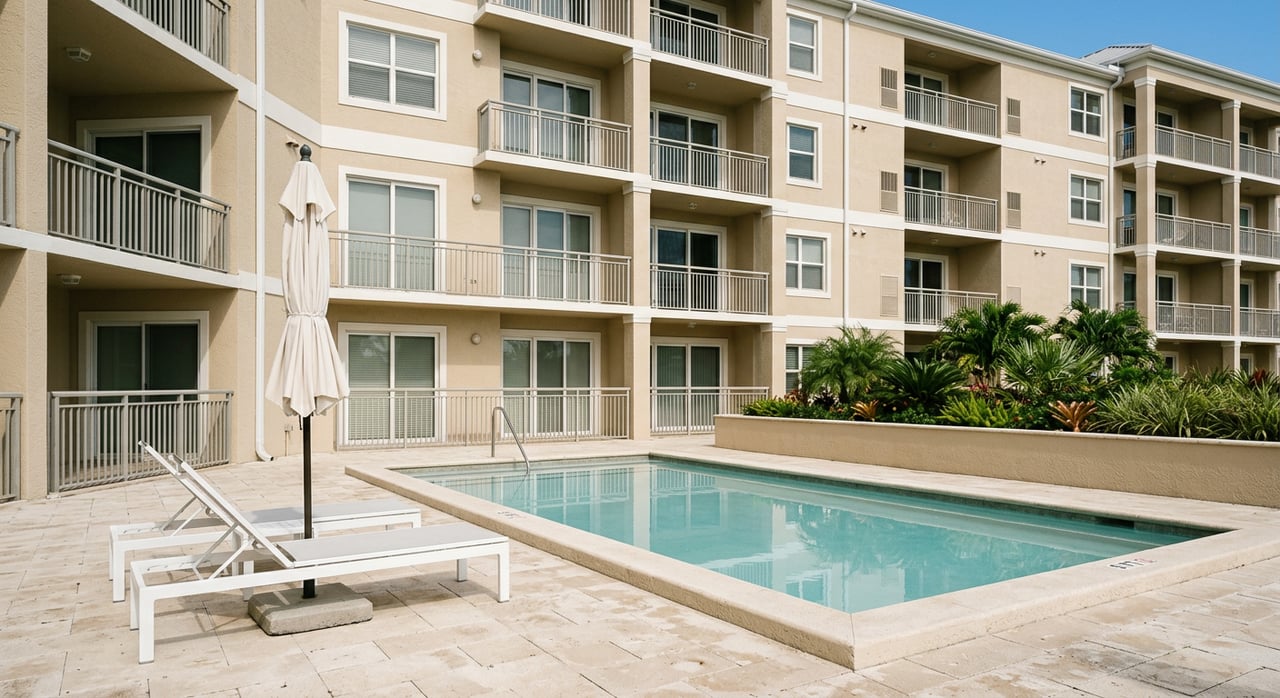
Picture this: sunrise over the Gulf, your coffee on the balcony, and a condo that doubles as a low‑maintenance escape or a smart rental. If you are eyeing Perdido Key, you are not alone. The area offers a mix of beach living and investment potential, but the details matter. In this guide, you will learn how to evaluate buildings, budget for true costs, confirm financing and insurance, and avoid common pitfalls. Let’s dive in.
Why Perdido Key appeals
Perdido Key is a Gulf-front barrier island in Escambia County with gulf‑front towers, bay and marina properties, and inland options near protected shoreline. The setting blends beach access with boating and nature, thanks to nearby parks and the Gulf Islands National Seashore. For a quick overview of the area’s setting and history, explore the Perdido Key profile.
Recent market snapshots point to a median condo price in the roughly $550,000 to $575,000 range. Gulf‑front, updated, and amenity‑rich buildings tend to command higher prices. Bay‑side or inland buildings with fewer amenities often list lower. As the market shifts toward a more balanced pace, you may see longer days on market and more room to negotiate, especially outside peak season.
Price drivers by building
Every building tells a different story. Focus on the factors that drive value and risk:
- Location and view: Direct gulf‑front and unobstructed views price at a premium. Bay or ICW views can be more affordable.
- Age, construction, and past projects: Newer concrete buildings or those with recent capital improvements often see steadier insurance and fewer special assessments.
- Amenities and management: Pools, gyms, on‑site staff, and short‑term rental programs increase HOA costs but can support rental income.
- HOA dues and reserve funding: Monthly dues vary widely by building age and features. In Perdido Key, you will commonly see dues ranging from under $1,000 to over $1,700 per month depending on amenities and size. Ask what dues include and how reserves are funded.
Building safety, inspections, and reserves
Florida requires “milestone” structural inspections for condominium buildings three stories or taller, with the first inspection generally at 30 years from initial occupancy and then every 10 years. Associations must share reports with owners and local officials. Review the statute for context in Florida’s milestone inspection law.
Florida also requires many associations to complete a Structural Integrity Reserve Study (SIRS) and begin funding designated structural reserves on schedule. Waiving structural reserves is no longer permitted for covered items. These rules have prompted many older coastal buildings to raise dues or levy special assessments to catch up. Learn more about SIRS and budget effects in this overview of SB 4‑D impacts.
For Perdido Key specifically, storms and shoreline change are well documented. Dune and beach conditions can vary by block, and that affects long‑term maintenance, insurance, and risk. For background on coastal dynamics, see the Perdido Key beach restoration feasibility study.
Flood maps, elevation, and premiums
Flood risk is a core cost driver. Confirm the building’s FEMA flood zone, base flood elevation, and any Letters of Map Change. If the building is in a Special Flood Hazard Area, federally backed loans require flood coverage, and premiums may be higher. Use the FEMA Flood Map Service Center to verify the property’s panel and zone.
Ask the association for a copy of the building elevation certificate and the association’s flood policy if available. Knowing the flood zone and coverage in place helps you price your HO‑6 contents and improvements flood coverage.
Insurance stack to review closely
Condo insurance has multiple layers, and you need clarity on each before you write an offer.
- Association master policy: Covers the building shell and common elements. Request the full declarations page to confirm limits, named‑storm or hurricane deductibles, and exclusions.
- HO‑6 policy: Your unit policy typically covers interior finishes as defined by the condo docs, personal property, liability, and loss of use. Read a practical explainer on HO‑6 coverage in this condo insurance guide.
- Flood coverage: Flood is separate from wind or standard property policies. Many coastal buildings carry an RCBAP (Residential Condominium Building Association Policy). You will still insure your contents and any interior improvements. Verify association flood coverage and price your own policy based on FEMA zone and elevation.
- Loss assessments: Florida law sets a small statutory minimum loss‑assessment amount in certain HO‑6 policies, but modern hurricane deductibles can be far higher. Many owners select higher loss‑assessment limits to protect against shared deductibles or shortfalls. For context, review this loss assessment discussion for Florida condos.
The state insurance market remains fluid. Even with reforms, coastal buildings often face higher premiums and percentage‑based hurricane deductibles. Large deductibles can translate into special assessments after a storm, so verify that structure in writing before you commit.
Financing a Perdido Key condo
Your financing options depend on the building’s eligibility, not just your credit.
- Conventional loans: Many lenders follow Fannie Mae condo standards and require a project review. Ask your lender to check the building using Fannie’s Condo Project Manager. If the project is ineligible due to deferred maintenance, inspections, or reserves, you may need a larger down payment or a non‑agency portfolio loan.
- FHA/VA loans: FHA has its own condo approval and review process, and rules change periodically. Confirm whether the specific building is FHA‑approved and what the current policy requires. See FHA’s resource hub for updates and approvals in this FHA single‑family information page.
- Investors: If you plan a short‑term rental, ask lenders early about loan types that use property cash flow. Requirements vary by lender, and project eligibility and insurance still apply.
If the association lacks current milestone or SIRS reports, or shows underfunded reserves, lenders may decline the project or adjust terms. Get clear answers on project eligibility before you make an offer.
Short‑term rental rules and taxes
Short‑term rental potential can help your numbers, but confirm the rules in writing. You will navigate three layers:
- County and state: Florida charges a 6 percent state sales or transient rental tax on stays under six months. Rates and local add‑ons can vary by county and district. Review state guidance on transient rentals and registration at the Florida Department of Revenue.
- Tourist Development Tax: Escambia County has a local bed tax that helps fund tourism marketing, sometimes called TDT. Many platforms collect certain taxes, but you are responsible for correct registration and remittance.
- HOA rules: Many condo associations control rentals with minimum‑stay rules, caps, or full restrictions. HOA rules can be stricter than county rules, and they apply to you.
If you plan to host, also budget for management, cleaning, platform fees, occupancy taxes, and HOA compliance costs.
Due‑diligence checklist for buyers
Use this checklist to decide if a building fits your goals and your budget.
Documents to request
- Condo declaration, bylaws, and rules. Confirm rental restrictions, parking, pet rules, and any compliance program for rentals.
- Association budget and financials. Look for the most recent budget, operating statements, and reserve study or SIRS if the building is 3 or more stories. The SIRS rules are summarized here: SB 4‑D and SIRS overview.
- Insurance pack. Request the master policy declarations, flood policy details, premium history, and the deductible schedule. See an overview of HO‑6 coverage in this condo insurance guide.
- Meeting minutes and notices. Ask for 12 to 24 months of minutes and any notices of planned assessments or litigation. High owner‑delinquency rates can be a red flag.
- Structural reports. If the building is 3 or more stories, request milestone inspection reports and any Phase 2 follow‑ups, plus the SIRS timeline. Florida’s milestone inspection requirements are outlined in state statute.
Inspections and technical checks
- Full home inspection by a pro experienced with coastal condos, plus balcony and exterior checks and moisture or HVAC testing as needed.
- Flood‑zone and elevation verification via the FEMA Flood Map Service Center. Request the building elevation certificate if available.
Insurance and financing checks
- Get preliminary quotes for HO‑6 and contents flood coverage before you waive contingencies. Ask if short‑term rentals affect policy eligibility.
- Have your lender confirm project eligibility early using Fannie Mae’s Condo Project Manager. If you are considering FHA, check current rules through HUD’s FHA portal.
Investor and second‑home planning
- If you plan to rent, register for required state taxes using the Florida Department of Revenue, confirm any local registrations, and model a conservative occupancy plan. Include 20 to 30 percent for professional management, plus cleaning, repairs, platform fees, and reserves for assessments.
Budget for the whole picture
Focus not just on purchase price, but also:
- HOA dues and what they include. Compare buildings with and without on‑site management and amenity packages.
- Special assessments. Review minutes and reserve studies for planned projects and catch‑up funding.
- Insurance. Clarify hurricane deductibles, flood coverage, and loss‑assessment limits.
- Rental rules. Minimum stays and caps can change your pro forma.
For retirees and second‑home buyers, a building with strong reserves and recent inspections often creates more predictable costs. For investors, a stable association, clear rental policies, and reliable insurance are the foundations of a healthier return.
How our team helps you buy with confidence
Buying a condo at the beach should feel exciting, not stressful. You deserve a process that surfaces answers early and protects your downside. Here is how we support you:
- Local guidance: We help you compare buildings by risk, not just by views, and flag items like SIRS status, flood zones, and deductible structures.
- Document review support: We coordinate with the listing side to gather budgets, minutes, master policies, and structural reports so you can make an informed decision.
- Lender and insurance coordination: We connect you with condo‑savvy lenders and insurers and help you time financing and quote milestones.
- Remote‑buyer friendly: Virtual tours, clear timelines, and responsive communication keep you in control from anywhere.
Ready to start a focused search for the right Perdido Key condo? Reach out to Erica Porcelli for a free consultation and a customized plan.
FAQs
Can you finance a Perdido Key condo with FHA or conventional loans?
- It depends on the building. Lenders check condo project eligibility under agency rules. Ask your lender to verify through Fannie Mae’s Condo Project Manager and review FHA rules via HUD’s FHA portal early in your process.
Do you need flood insurance for a beach condo in Perdido Key?
- Very likely. Standard HO‑6 policies exclude flood. Confirm the FEMA flood zone and elevation at the FEMA Flood Map Service Center and review the association’s flood policy before you bind coverage.
What short‑term rental taxes apply in Escambia County?
- Florida charges a 6 percent state sales or transient tax on rentals under six months. Local bed taxes can also apply. Start with guidance from the Florida Department of Revenue and confirm local registration steps before hosting.
What are the biggest surprise costs after buying a condo?
- Buyers are often surprised by special assessments tied to structural work, higher HOA dues after a SIRS update, and hurricane or flood insurance costs. Review structural reports, reserve studies, and master policy deductibles before you waive contingencies.
What should you ask for from the HOA before making an offer?
- Request the condo docs, rules, current budget, reserve study or SIRS, 12 to 24 months of meeting minutes, master insurance declarations, and any milestone inspection reports. These items drive financing, insurance, and true ownership costs.