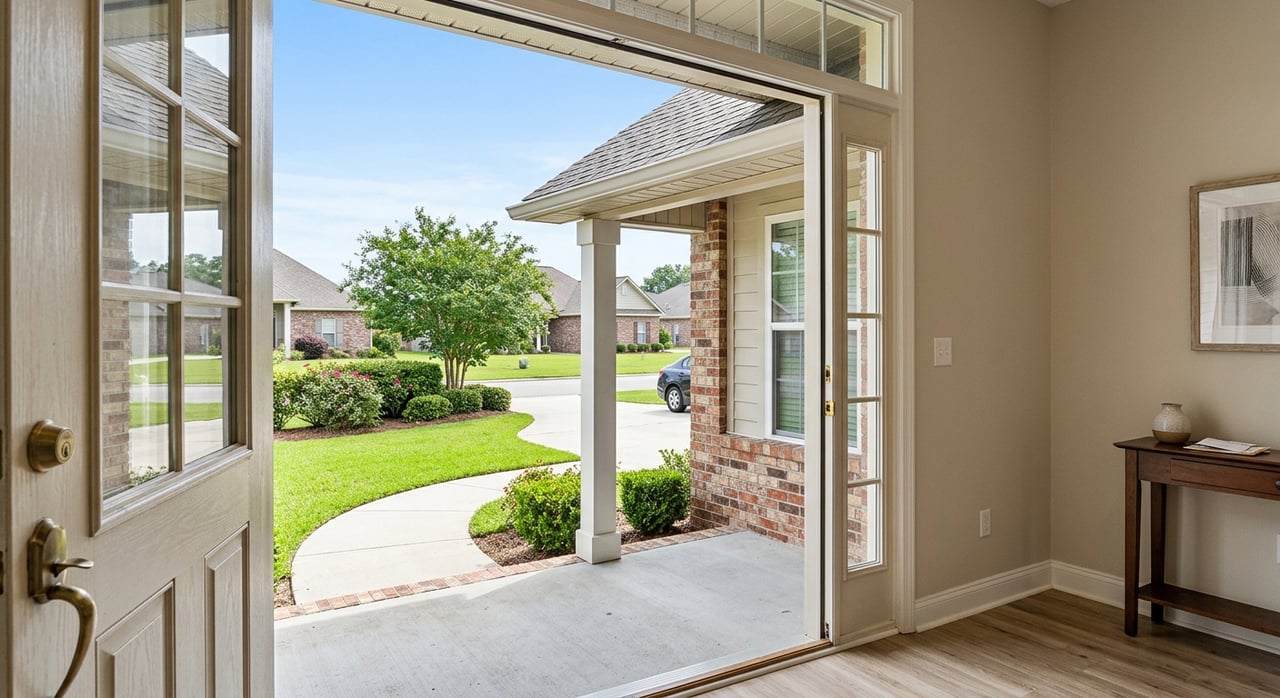
Buying a home from hundreds or even thousands of miles away can feel risky, especially in a coastal market like Pensacola. You may be juggling a job move, PCS orders, a tight timeline, or simply trying to make smart decisions without being there in person. The good news is that remote buying confidence comes from having the right process, the right local guidance, and the right checks in place before you close. Let’s dive in.
Start With the Right Pensacola Plan
A remote purchase works best when you treat it like a step-by-step project, not a quick online search. Freddie Mac recommends getting clear on your budget, gathering documents early, building a trusted team, and getting preapproved before you get too far into the search.
That matters in Pensacola because the market is not the same in every area. According to current market overviews, Pensacola is a balanced market, while nearby areas can behave differently. Your strategy should match the specific neighborhood and price point you are targeting, not just the city name on the listing.
Know the Market Varies by Area
Pensacola buyers often search beyond the city limits into places like Gulf Breeze, Pace, and Navarre. Those areas can have different levels of competition and different average time on market, which affects how fast you need to move and how aggressively you may need to negotiate.
For example, Gulf Breeze is also considered a balanced market, while Pace and Navarre have shown somewhat more competitive conditions in recent reports. That means some homes may sit longer, while others may still draw multiple offers. If you are buying remotely, neighborhood-level guidance becomes even more important.
Get Preapproved Before You Tour
Preapproval gives you a realistic price range and helps you act quickly when the right home appears. Freddie Mac notes that a preapproval letter helps you search with more confidence and also signals to sellers that you are serious.
Before you apply, build a full ownership budget. The Consumer Financial Protection Bureau says you should account for the mortgage, property taxes, homeowners insurance, flood insurance, HOA dues, maintenance, and utilities. It also notes that closing costs typically run about 2% to 5% of the purchase price, not including your down payment.
Gather Documents Early
Remote moves often come with time pressure, so it helps to have your paperwork ready before a lender asks for it. Lenders commonly want:
- Pay stubs
- W-2s
- Bank or investment statements
- Debt statements
- Tax returns
- Proof of any supplemental income
Having these items ready can shorten delays and help you move from touring to offer-writing without losing momentum.
Build a Trusted Local Team
When you cannot be there in person, your team matters even more. Freddie Mac and the CFPB both stress the value of working with trusted professionals during the home search and purchase process.
For a Pensacola remote purchase, your core team should usually include:
- A buyer’s agent with neighborhood-specific knowledge
- A lender
- An independent home inspector
- A title or settlement provider
- An insurance agent
If you are active-duty military or relocating through the military, the NAS Pensacola Housing Service Center can also be a useful resource for housing support and home-buying information.
Why Local Knowledge Matters
Pensacola is a Gulf Coast market with coastal factors that out-of-area buyers may not spot from a listing. The City of Pensacola highlights the area’s extensive coastline, which is part of its appeal but also a reminder that storm, flood, and insurance questions should be part of every buying decision.
That is one reason a remote-friendly agent should do more than unlock doors. You need someone who can help you compare areas, flag red flags, coordinate vendors, and keep the transaction moving with clear communication.
Use Live Virtual Tours, Not Just Photos
Listing photos are helpful, but they are not enough to make a confident decision from out of state. The National Association of Realtors explains that a live virtual tour counts as a tour when you are not physically present, and Freddie Mac advises having your agent review the property carefully because photos can be misleading.
A strong live virtual showing should help you see how the home actually feels, not just how it photographs. That includes the flow of the rooms, natural light, storage, condition details, and what surrounds the property.
Ask Better Questions on a Virtual Tour
During a live tour, ask your agent to slow down and show you details that still photos often miss:
- Ceiling height and room flow
- Window condition and natural light
- Flooring transitions and wear
- Exterior condition and drainage
- Roof appearance from the ground
- Nearby traffic, noise, or commercial uses
- Street parking and lot layout
If possible, ask for an honest summary after the tour. A clear, local perspective can help you avoid homes that look great online but feel different in real life.
Protect Yourself With Smart Offer Terms
When you are buying remotely, your contract terms matter. The CFPB recommends making your offer contingent on financing and a satisfactory inspection so you are not forced to close if major issues come up.
Those protections are especially important if you are relying on virtual tours. Even a well-run remote process should give you room to investigate the property before your money is fully committed.
Keep Key Contingencies in Place
Two contingencies are especially important for remote buyers:
- Financing contingency in case your loan cannot be finalized as expected
- Inspection contingency in case the inspection reveals major concerns
These clauses can give you options to renegotiate, request repairs or credits, or cancel under the contract terms if serious problems are found.
Focus on Pensacola Flood and Storm Due Diligence
For Pensacola-area homes, flood and storm review should be part of your process every time. The research is clear: flood risk can change over time, there is no true no-risk zone, and most standard homeowners insurance policies do not cover flood damage.
That is why remote buyers should verify risk using official tools, not assumptions based on a listing description or a quick map search.
Check Flood Maps and Evacuation Zones
Start by reviewing official flood information through FEMA’s Flood Map Service Center. Then check address-specific local details through Escambia County’s property lookup tool, which can show the hurricane evacuation zone and other data points that are hard to confirm from afar.
Escambia County also advises residents to check evacuation zones every year because they can change. That makes it worth reviewing even if the seller or listing makes the location sound familiar or low-risk.
Ask Direct Questions About Storm History
The CFPB advises asking whether the property has flooded or been damaged before. In the Pensacola area, you should also ask about:
- Flood history
- Drainage issues after heavy rain
- Roof age
- Prior storm repairs
- Any insurance claims tied to storm damage
It is also smart to seek an informal insurance estimate before you commit if the property may carry elevated flood or wind-related costs.
Verify Inspections and Permit History
A remote buyer should never skip the inspection stage. The CFPB says scheduling an inspection early gives you time to resolve problems, renegotiate, request repairs or credits, or cancel if your contract allows it.
In Pensacola, this step matters even more if the home has had recent updates, additions, or major repairs. Cosmetic improvements in photos do not always tell you whether the work was done with the right approvals.
Confirm Remodeling and Permits
If a house shows signs of additions, converted spaces, or recent remodeling, verify permit history and code compliance with the local building authority. The City of Pensacola Building Inspections Division provides permitting and inspection resources that can help confirm whether work was properly documented.
This simple check can help you avoid future surprises involving insurance, resale, or repair work.
Prepare for a Secure Remote Closing
The closing phase is where many remote buyers start to feel nervous, but Florida does offer tools that can make the process easier. The state authorizes Remote Online Notarization, which supports remote signing through an approved process that includes identity proofing and a recorded audio-video session.
That said, convenience should never replace caution. A secure closing depends on reviewing your numbers carefully and confirming every transfer step through trusted contacts.
Review the Closing Disclosure Carefully
The CFPB says your lender must provide the Closing Disclosure at least three business days before closing. Review it line by line against your Loan Estimate and pay close attention to the final cash-to-close figure.
Since closing funds are often sent by wire or cashier’s check, fraud prevention matters. The CFPB warns about mortgage closing scams and recommends verifying wiring instructions by phone with a trusted contact rather than relying on email-only instructions.
Use Military and Tax Resources if They Apply
Pensacola has a large military-connected population, and remote buying often overlaps with PCS timelines. If that describes your move, there are a few extra tools worth using.
The VA home-buying process page notes that VA-backed loans may require no down payment unless the lender requires one or the purchase price exceeds the property’s reasonable value. VA also advises buyers to compare lenders and read agreements carefully.
Check Homestead and Veteran Benefits
If the property will become your permanent Florida residence, you may want to review possible tax benefits. The Florida Department of Revenue explains that homestead exemption and Save Our Homes may reduce taxable value, and additional benefits may be available for some veterans and active-duty military members.
In Escambia County, homestead exemption requirements are handled through the county property appraiser, and eligibility depends on the property being your permanent residence. That is a small step that can make a meaningful difference over time.
Confidence Comes From Process
Buying a Pensacola home remotely does not have to mean buying blindly. When you combine preapproval, live virtual tours, neighborhood-specific guidance, smart contingencies, flood and permit checks, and a secure closing process, you can make a well-informed decision from wherever you are.
If you want a process-driven, local approach built for relocation and remote buyers, Erica Porcelli can help you move forward with clarity and confidence.
FAQs
What should remote buyers in Pensacola do before touring homes online?
- Get preapproved, set a full monthly budget, gather financial documents, and identify the neighborhoods or nearby areas you want to compare.
How important are live virtual tours for buying a Pensacola home remotely?
- Live virtual tours are very important because they help you evaluate layout, condition, surroundings, and details that listing photos may not show clearly.
What contingencies should remote buyers include in a Pensacola offer?
- Remote buyers should strongly consider financing and inspection contingencies so they have protection if the loan changes or the home has major issues.
Why do remote buyers need to check flood and evacuation data in Pensacola?
- Pensacola is a coastal market, so flood risk, storm history, and evacuation zones can affect insurance costs, safety planning, and long-term ownership expenses.
Can you close on a Pensacola home remotely?
- Yes, Florida allows Remote Online Notarization, which can support remote closings through an approved and documented signing process.
Are there special resources for military homebuyers moving to Pensacola?
- Yes, military buyers may benefit from VA loan guidance and support from the NAS Pensacola Housing Service Center for housing-related information and relocation planning.