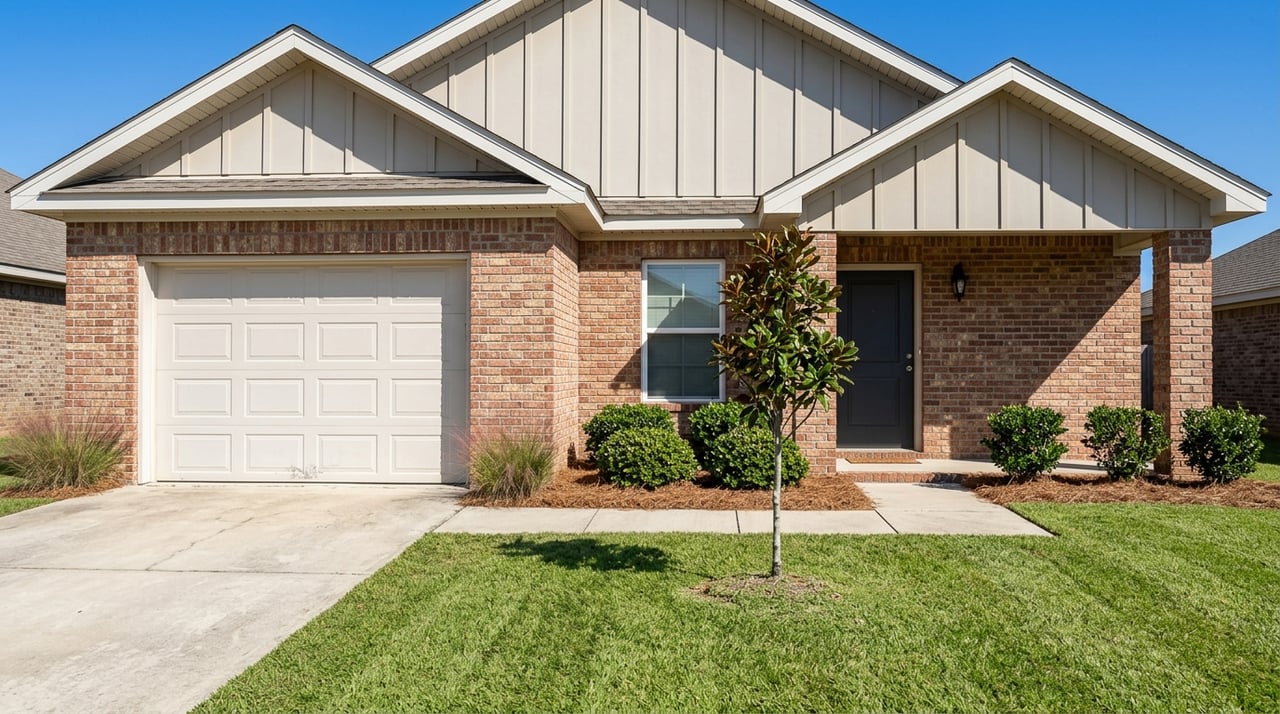
Wondering why some Cantonment homes feel ready to sell the moment they hit the market while others sit longer than expected? In a market where buyers have options and compare homes closely, presentation and preparation can make a real difference. If you want to sell with less stress and fewer surprises, a smart prep plan can help you protect your timeline and your price. Let’s dive in.
Why prep matters in Cantonment
Cantonment market data points to a price range in the low-to-mid $300,000s, depending on the source and how the numbers are measured. Recent reports also show homes going pending in about 36 days, median days on market around 49 days, and sale-to-list ratios averaging about 100% in May 2026. Together, that suggests buyers are active, but they also have enough inventory to notice condition, upkeep, and overall presentation.
That is especially important if your home will compete with similar single-family properties in the area. When buyers see multiple homes in a similar price range, small issues can stand out fast. A home that feels clean, dry, cared for, and well-documented often creates more confidence from the start.
Start with Gulf Coast exterior prep
In Cantonment, exterior work is not just about curb appeal. The local climate brings heavy rainfall, hot summers, frequent summer thunderstorms, and hurricane season from June 1 through November 30, with peak activity in August and September. Because of that, buyers often pay close attention to signs that a home has been maintained for Northwest Florida conditions.
Clean surfaces and improve drainage
Pressure-wash siding, driveways, and walkways so the home looks fresh and maintained. Clear gutters and downspouts, and make sure water drains away from the foundation properly. These steps help your home look better in photos, but they also signal that you have stayed on top of rain-related maintenance.
Trim back landscaping
Cut landscaping away from the roofline, siding, and walkways. Overgrown plants can trap moisture, make the home feel less maintained, and hide areas that buyers want to inspect visually. A neat yard also helps your front elevation show better online and in person.
Check weather-exposed materials
Walk the outside of your home and look for peeling paint, damaged caulk, rotted trim, soft soffits, loose shingles, and worn screens. Check windows and doors for broken seals or visible wear. Since this area faces wind and water exposure, these details can reassure buyers that the property has been cared for over time.
Focus on roof, doors, and windows
Buyers in the Gulf Coast region often notice features tied to weather readiness. They may not ask about every detail during a showing, but visible wear around the roofline, trim, or openings can raise questions quickly. Taking care of these items before listing can reduce concern before the inspection phase even begins.
Review the roof before photos
A roof does not have to be brand new to make a strong impression, but it should appear maintained. Look for loose or missing shingles, staining, and signs of prior moisture intrusion. If you have recent roof records or repairs, keep that paperwork handy for later.
Make entry points feel solid
Your front door, back door, garage access door, and windows should open and close smoothly. Replace torn screens, repair damaged thresholds, and touch up trim as needed. These are small details, but they contribute to the overall feeling that the house has been well kept.
Refresh outdoor living spaces
Porches, patios, garages, sheds, side yards, and fenced areas all add to a buyer’s first impression. In Cantonment, many buyers are looking at practical outdoor space along with the house itself. If these areas look neglected, buyers may assume other maintenance has been deferred too.
Clean and organize each space so its purpose is obvious. Remove broken items, sweep surfaces, straighten storage areas, and repair visible fence or shed wear if possible. The goal is to make every part of the property feel usable, tidy, and easy to maintain.
Declutter the interior first
If you only do one thing before listing, start here. Decluttering helps rooms feel larger, cleaner, and more functional. In a market with meaningful inventory, that matters because buyers often compare homes quickly and move on from spaces that feel cramped or overly personalized.
Clear visual distractions
Remove excess furniture, personal photos, crowded decor, and countertop clutter. Thin out closets, pantries, and storage areas so they feel spacious instead of overfilled. When buyers can see the room instead of your belongings, it becomes easier for them to picture their own next move.
Simplify each room’s purpose
Make sure every room reads clearly. A dining room should look like a dining room, an office should look like an office, and a bonus area should feel intentional rather than confusing. Clear function helps buyers understand how the home lives day to day.
Address moisture-prone areas inside
Cantonment’s warm, wet climate means indoor comfort matters. A house that feels humid, smells stale, or shows signs of moisture can create hesitation very quickly. Before showings begin, focus on areas where moisture tends to collect or become noticeable.
Deep-clean the right zones
Pay special attention to bathrooms, laundry rooms, closets, baseboards, and air returns. Clean grout, wipe vents, refresh caulk where needed, and make sure these spaces feel fresh. Buyers often notice these details because they hint at how the home has been maintained over time.
Help the home feel dry and comfortable
Replace HVAC filters and make sure the home is cooling properly during showing periods. If a room feels stuffy or damp, address it early. In hot Northwest Florida weather, indoor comfort can shape a buyer’s impression within minutes.
Knock out minor repairs early
Small problems tend to grow in a buyer’s mind. A sticky door, burned-out bulb, loose handle, or cracked caulk line might seem minor, but together they can make the home feel less cared for. In a balanced market, those details can also become part of a buyer’s mental inspection list.
A few common fixes to handle before listing include:
- Touching up scuffed or chipped paint
- Replacing burned-out bulbs
- Fixing sticky doors or misaligned latches
- Repairing worn caulk in kitchens and baths
- Addressing small plumbing issues
- Correcting minor electrical problems
These updates usually do not require a full remodel. They simply help your home present as move-in ready and reduce avoidable buyer concerns.
Prepare early if you can
If your sale is six to twelve months away, that extra time can work in your favor. It gives you flexibility to spread out projects, schedule repairs more calmly, and complete exterior work before storm season becomes a bigger factor. Early planning can also reduce the stress of rushing through prep right before photos and showings.
Because hurricane season starts June 1 and peaks in August and September, exterior repairs, roof review, drainage improvements, and landscaping are smart to tackle sooner rather than later. The Gulf Coast weather does not always give long warning windows, and inland areas can still see meaningful wind and water impacts. A proactive timeline is often the smoother timeline.
Gather disclosures and records now
Florida sellers should not wait until the last minute to pull paperwork together. State law requires a property tax disclosure summary at or before contract execution, requires a flood disclosure at or before contract execution, and requires disclosure of known defects in sanitary sewer laterals. Florida sellers are also expected to disclose known facts that materially affect value and are not readily observable.
Having your records ready makes this process easier and can help support smoother negotiations. It also helps buyers feel more confident in the home’s history and upkeep.
Helpful documents to collect
Start a simple file with items such as:
- Repair invoices
- Permit sign-offs
- HVAC service records
- Roof information
- Pest treatment records
- Flood history records
- Insurance history related to the property
You do not need a perfect paper trail for every year of ownership. But the more organized you are, the easier it is to answer questions quickly and keep the transaction moving.
A simple Cantonment sale-prep plan
If you want to keep this manageable, focus on four priorities first. These are the themes most likely to help your home feel market-ready in Cantonment.
Your top prep priorities
- Improve curb appeal with weather-aware exterior maintenance.
- Declutter and simplify the inside of the home.
- Fix minor repairs that suggest deferred upkeep.
- Organize disclosures and maintenance records early.
That combination supports both presentation and buyer confidence. It can also help you avoid last-minute scrambling once showings begin.
If you are not sure where to start, an experienced local agent can help you prioritize the updates that matter most for your home, your timeline, and your price point. If you want practical guidance tailored to your Cantonment property, Erica Porcelli can help you create a clear plan and move forward with confidence.
FAQs
What should I fix before selling a home in Cantonment?
- Focus first on exterior cleaning, drainage, landscaping, minor visible repairs, decluttering, moisture-prone interior areas, and basic maintenance items like HVAC filters, caulk, lights, doors, and small plumbing issues.
How important is curb appeal for a Cantonment home sale?
- Curb appeal matters because buyers compare multiple homes and often form an opinion before they walk inside. In Cantonment, exterior upkeep also signals how well the home has handled rain, storms, and Gulf Coast weather.
When should I prepare my Cantonment home for hurricane season before listing?
- If possible, handle roof checks, drainage work, exterior repairs, and landscaping before hurricane season starts on June 1, especially since peak activity typically comes in August and September.
What disclosures do Florida home sellers need before closing?
- Florida sellers should be prepared for a property tax disclosure summary and flood disclosure at or before contract execution, plus disclosure of known defects in sanitary sewer laterals and other known material facts that are not readily observable.
What paperwork should I gather before selling a home in Cantonment?
- Useful records include repair invoices, permit sign-offs, HVAC service history, roof information, pest treatment records, and any available flood or insurance history related to the property.